Everything You've Ever Wanted to Know About Ibanez Guitars
Ibanez Guitars 101

For years, Ibanez guitars have been a staple in every guitarist's collection, thanks to slim fast-play necks, body-hugging body designs, and a host of diverse pickup configurations. Every cool player from the east to the west has one as their go-to axe. But what is it really about Ibanez guitars that makes guitarists like Steve Vai and Joe Satriani put their name to them?
Ibanez guitars are highly popular at 8Music, and we're continually adding new ranges and models. The appeal of Ibanez has steadily grown since the 1980s, when the likes of Steve Vai and Joe Satriani popularised them, and many modern artists now favour Ibanez guitars over Gibson and Fender models.
We do a deep dive into Ibanez guitars to understand what makes them tick and why they meet the needs of certain players.
Introduction to Ibanez Guitars: Models, Styles, and Why Players Love Them

Ibanez offers a wide range of guitars and basses spanning a wide price range, allowing them to cater to guitarists at different levels. They've been a player in the guitar world since 1920, though they began in 1908 as a bookstore. We'll go into that later.
From entry-level Ibanez electric guitars, such as the Ibanez GSA60, to Made-in-Japan models, such as the Ibanez RG652AHMFX Prestige, in the eye-catching Nebula Green Burst. You can even get a custom-made instrument with an Ibanez Vision. Ibanez does it all, a model for everyone.
And it isn't just pointy Ibanez electric guitars; they offer a solid range of hollowbody Ibanez guitars, such as the Ibanez AG75G-BS Artcore and Ibanez AS93FM Artcore electric guitars for traditionalists and those who prefer a more vintage look.
Basses and acoustics are fully covered, including basic bass models for beginners in the GSR 4- and 5-string varieties, and some unusual-looking acoustics, such as the Ibanez Altstar acoustic series, for those who want an acoustic that breaks from traditional looks.
Ibanez also offers a range of effect pedals, including the infamous Tube Screamer overdrive for those who prefer a warm, crunchy sound.
The History of Ibanez Guitars: From Japanese Roots to Global Icon

This story gives us a brief yet eclectic history of Ibanez guitars, from the early days at the turn of the 20th century to the modern interpretation of the Ibanez brand.
The Origins of Ibanez Guitars and Hoshino Gakki
The legendary story of Ibanez guitars begins with Hoshino Gakki, a company founded in 1908 in Nagoya, Japan. Starting as a sheet music distributor, the business soon expanded into other lines in the musical instrument industry.
As the 1920s began, Hoshino Gakki started importing high-quality classical guitars crafted by the Spanish luthier Salvador Ibáñez (Hello, new name!). These classical guitars soon became a favourite among the Japanese music scene.
As demand for guitars grew, Hoshino Gakki shifted from importing to manufacturing its own instruments, adopting the Ibanez name as a tribute to luthier Salvador Ibáñez. In the 1950s, rock 'n' roll emerged, and Ibanez adapted once more, focusing on electric guitars, which marked its presence on the global music scene.
The Ibanez Lawsuit Era: How Legal Trouble Shaped the Brand
The late 60s and early 70s were a critical era for Ibanez guitars. The company spent its time creating high-quality replicas of US brands such as Fender and Gibson, which caught the attention of guitarists and musicians worldwide.
These replicas were so good that Norlin, Gibson’s parent company from 1969 to 1986, sued Hoshino Gakki for infringing on its headstock designs. An out-of-court settlement was reached in 1978. This was known as the 'lawsuit era'.
This era became transformative for Ibanez. Not only were Ibanez guitars known for their affordability and quality, but artists such as George Benson began endorsing original Ibanez guitar models. This period in their history set the stage for the company to fully focus on original designs.
Ibanez Signature Guitars and 1980s Innovation
As the 1980s began, a surge in demand for fast-playing guitars accompanied the rise in popularity of shred and rock music. Ibanez did their usual thing and responded with the Roadstar and Saber models, which evolved into the now-iconic RG and S series.
The 1980s saw a surge in demand for fast-playing guitars as shred and rock music gained popularity. Ibanez responded with the Roadstar and Saber models, which evolved into the now-iconic RG and S series. These Ibanez guitars featured fast, slim necks, high-output pickups, contoured bodies, and floating double-locking tremolo bridges, all perfect for the fast, precise playing 80s guitarists demanded.
During this decade, Ibanez pioneered collaborations with renowned musicians to create signature guitar models.
Guitar legends such as Joe Satriani, Steve Vai, and Paul Gilbert collaborated closely with Ibanez to produce signature guitars that, in turn, became some of the brand’s most celebrated instruments.
Modern Ibanez Guitars: Innovation, Extended Range & New Genres

While Ibanez is known for making slim-necked shred beasts, it also had one toe in the jazz guitar market. With its smart, jazz-inspired designs, it soon developed models that offer warm tones, smooth playability, and professional build quality.
It consistently led the way in innovation, adapting over the years to new musical genres and the evolving demands of guitarists.
As Nu-metal and more modern music landed and gained popularity, guitarists sought instruments capable of handling drop tunings and offering a broader tonal spectrum, such as Korn's Fieldy. The people called, and Ibanez responded with 7, 8 and even 9-string guitars, opening up new possibilities for more complex licks and expanded melodies.
Ibanez Guitars Today: A Legacy of Innovation and Global Popularity
Ibanez is as well-known as Fender or Gibson today, from its early beginnings as a distributor of imported instruments to its status as a global leader in guitar and instrument manufacturing.
The company offers a wide range of electrics, basses, acoustics, and effects, continually pioneering and introducing new ranges each year for every level of guitarist, so they can get on the Ibanez guitar train.
Famous Ibanez Guitarists: Artists Who Defined the Brand
Who Made Ibanez Guitars Famous? Over the years, Ibanez has had many artists and guitarists associated with its instruments. Some who really got behind Ibanez in the early days are George Benson, Steve Vai, Joe Satriani, Paul Gilbert, and Fieldy.
Fast-forward to today, and Ibanez continues to attract top guitarists to their roster, with modern artists such as Bernth, Thundercat, and Polyphia's Tim Henson releasing signature models. The brand’s character remains as strong as ever.
Ibanez Electric Guitars Explained: Series, Styles, and Player Types

Electric guitars are the core of the Ibanez brand, with the range spanning everything from entry-level GSA models, for the student metalhead, right through to the J Custom and Visions series for those that love a custom-built affair.
The Ibanez electric guitar range comprises many models and sub-models, all catering to individual needs, from the RG series and S series to the hollowbody AF and AS series. To make it easy for you, we've broken down the popular models so it doesn't get confusing, and we've also created additional blog posts on specific ranges and everything that sails in them.
Ibanez RG vs RGA Guitars: What's the Difference?

One of Ibanez's main series, the RG and RGA are like siblings, cut from the same cloth. Both fast-playing with hot pickups and a super-slim neck. The main difference between an RG and an RGA series is that the RG has a flat top and the RGA has an arched top, usually made from exotic wood. Like the Ibanez RGA42FM in Dragon Eye Burst finish. A truly stunning instrument.
RG models can range from the Ibanez GRG140 series for beginners, to the superstrat styled Ibanez RG550 Genesis or the Ibanez RGT1220PBK Premium, with different configurations of woods, neck finishes, colours and pickups (plus their configurations)
Notable mention goes to the Ibanez RDG series, designed for down-tuned heavy metal chugging who need that extra bit of grunt when playing.
Ibanez S Series vs RG Series: Which Is Right for You?
The main difference is body style and shape. Ibanez S series guitar bodies are heavily contoured and bevelled for extremely comfortable play, whereas the RG series has only minimal contouring and a thicker, more pronounced construction.
The S series is the current modern version of the original Sabre series from the 1980s. Slim, sleek bodies with ample contouring make for a very comfortable guitar to hold and play. Especially in long studio sessions or extended gigs. Hot pickups and configurations, and locking Edge tremolo bridges, which are generally part of the S series experience.
S Series guitars are offered across the Standard, Iron Label, Premium, and Prestige ranges, letting you choose the features and build quality that suit you best.
Ibanez Semi-Acoustic and Hollowbody Guitars for Jazz and Rock

With signature artists like George Benson and John Scofield, Ibanez knows how to design and construct hollowbody and semi-acoustic style electric guitars. From full jazz Ibanez guitars to rock 'n' roll styles like the Ibanez AS73 series of electric guitars, Ibanez really knows its stuff.
For jazz and archtop-style hollowbodies, AF and AG models are available, while AS and AM are more traditionally semi-acoustic. Set necks and traditional humbuckers, for that authentic classic sound. One to check is the Ibanez AF75 Artcore Electric Guitar, finished in Brown Sunburst. A real head-turner of a guitar.
Vintage-looking and with Ibanez's attention to detail, this series is worth a look compared to more popular semi-acoustic brand models.
Ibanez Bass Guitars: Models, Features, and Who They're For

Ibanez makes a vast range of bass guitars for both beginners and professionals. Loaded with different necks, pickup options, and body shapes, each Ibanez bass guitar is unique and tailored to varying types of bassists, from the popular SR series, which ranges from the very excellent entry-level GSR180 and GSR200 models, right up to the SR300 series and beyond to the SR Vision Bass models. Other series include the BTB, EHB and vintage-looking Talman ranges.
They all arrive in standard 4-string form, but some models offer 5- and 6-string variations, as well as headless and multi-scale options. Necks are similar to their guitar counterparts: slim and fast, which is excellent for the modern bass player. At the same time, some bodies are nicely-contoured and feature exotic woods to dazzle and impress your audience (or the sound engineer).

Many feature active pickups. Active electronics use a 9V battery to power pickups and/or tone controls, delivering higher output, greater tonal shaping, and enhanced control, especially suited to heavier and funk styles.
Many artists associate themselves with Ibanez bass guitars, including Thundercat, Mike D'Antonio from Killswitch Engage, and Gerald Veasley and Gary Willis, all of whom have signature Ibanez bass guitars. Designed for playing, Ibanez bass guitars are ideal for your first bass or as a solid touring instrument.
Ibanez Acoustic Guitars: Modern Designs with Acoustic Tone
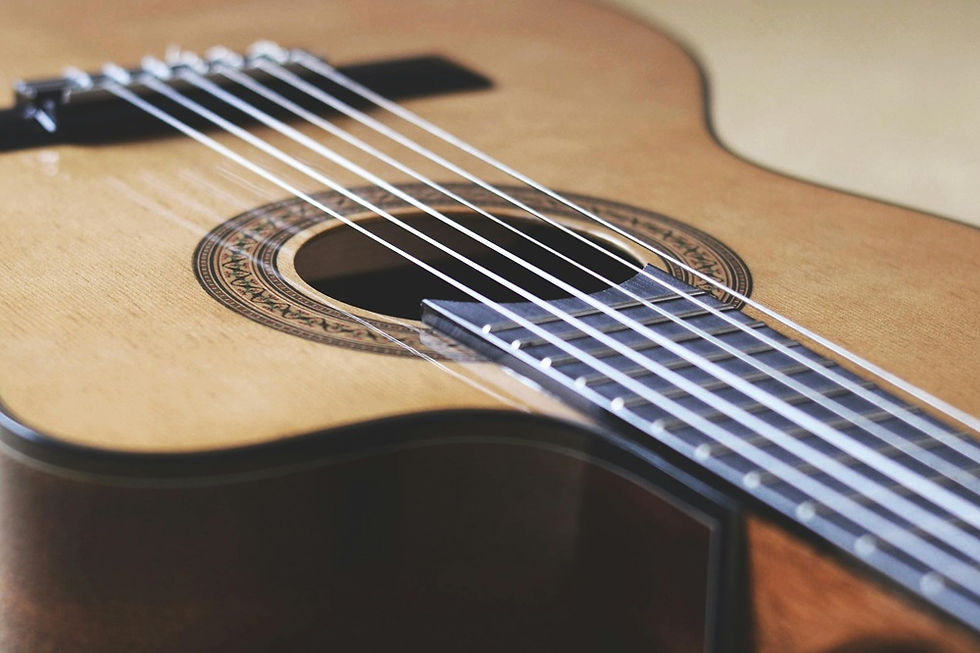
Ibanez acoustic guitars offer quality acoustic, electro-acoustic, and classical instruments, moving away from the traditional styling associated with brands like Martin and Taylor to appeal to more modern players. From the striking Altstar series to the Ibanez FRH10N nylon electro-acoustic, a slim-bodied nylon ideal for touring guitarists, there’s plenty of variety on offer.
Ibanez Guitar Pedals: Classic Effects and Modern Innovation
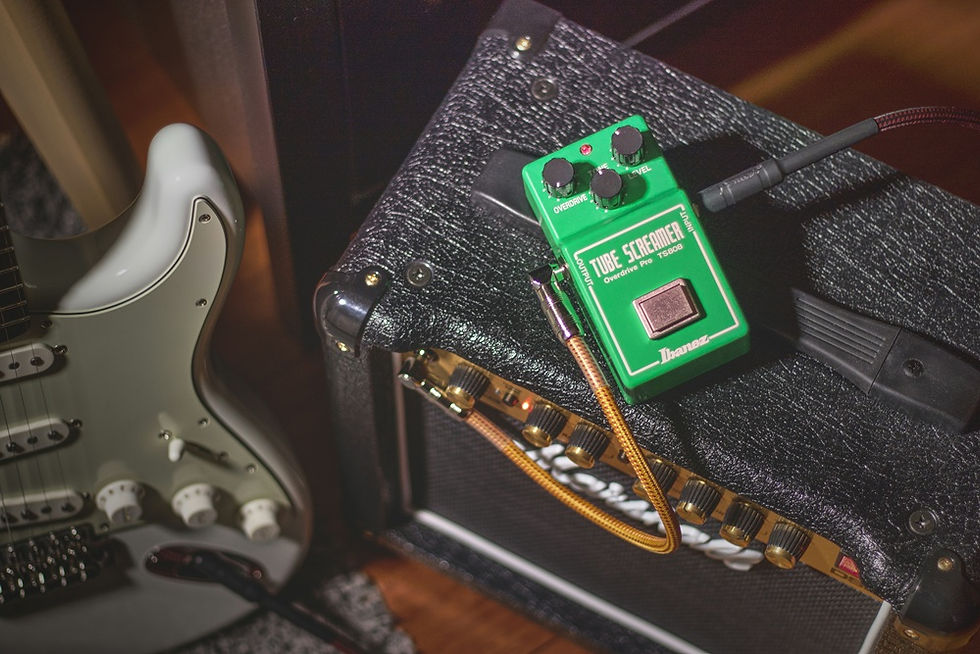
Ibanez isn't only interested in guitars and basses; it also dipped its toe into the world of effects. Allowing guitarists to explore tone and shape their sound over the decades. Ibanez has released pedals that not only stood out but also inspired entire categories of effects.
Ibanez Tube Screamer: The Iconic Overdrive Pedal Explained
The infamous Tube Screamer is the most instantly recognisable of all its FX. Instantly recognisable by its green casing, this iconic overdrive pedal became famous among players such as Stevie Ray Vaughan.
Its warm, responsive drive and mid-focused character made it a staple for guitarists across blues, rock, and beyond. Even today, many green overdrive pedals aim to recreate the original Tube Screamer sound.
Ibanez MINI Pedals: Compact Effects for Modern Pedalboards
Alongside other classic effects in the Ibanez MINI pedal series, such as the Ibanez CSMINI chorus pedal and a mini version of its famous Tube Screamer. These compact pedals deliver authentic tone in a compact form, making them ideal for modern pedalboards on smaller stages.
Are Ibanez Guitars Worth It? Final Thoughts and Buying Advice
From fast-necked shred machines to the ducite tones of its jazz guitars, Ibanez continues to deliver instruments that inspire players at every level. With a rich history, constant innovation, and a lineup trusted by world-class artists, it’s easy to see why Ibanez remains a go-to brand for modern guitarists.
Ready to find your perfect Ibanez? Explore the full Ibanez range at 8Music today and discover the guitar that fits your style, sound, and budget.


Comments